Subspecialty Certification
ABPMR Brain Injury Medicine Exam Content Outline Updated
Brain Injury Medicine Examination Content Outline Updated
Practice Analysis
The American Board of Physical Medicine and Rehabilitation (ABPMR) follows industry standards and practices to update and maintain examination content outlines. In 2025, a practice analysis (also known as a job analysis or job task analysis) was completed to update the Brain Injury Medicine Examination content outline. Information about the resulting outline and content weights, including the process for developing the outline, is described below.
A diverse group of subject matter experts from both ABPMR and the American Board of Psychiatry and Neurology (ABPN), representing various practice settings and demographic characteristics, gathered to discuss and develop a description of the scope of practice of Brain Injury Medicine (BIM). The group identified competencies (knowledge, skills, and abilities) required to perform the role of a BIM specialist successfully. The resulting task statements were included on a survey that asked physicians board certified in BIM to rate how often they encounter patients with given conditions, how often they use given diagnostic procedures and assistive technologies, and which treatment modalities they use. The survey results were used to make decisions about inclusion and exclusion of competencies on this BIM content outline and assisted in determining topic weights.
Examination Content
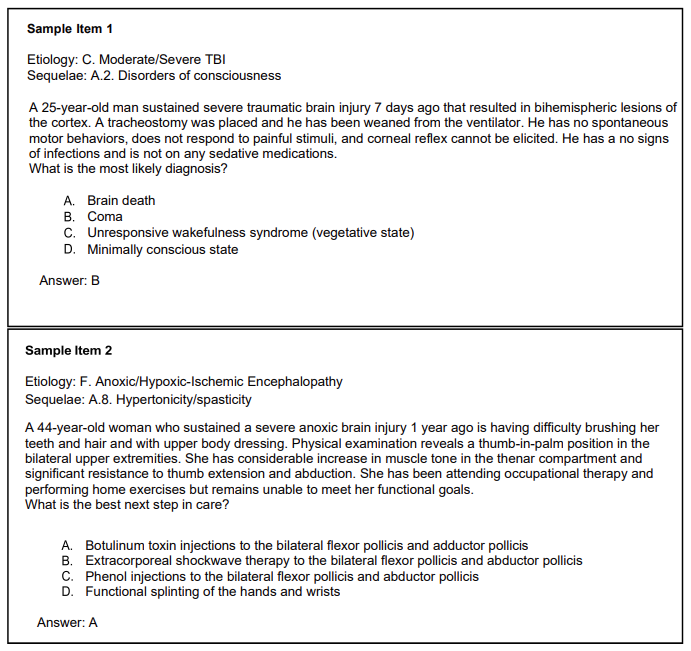
The ABPMR uses single-best-answer, multiple-choice questions on all written examinations. Some items test candidates on knowledge recall, while other items include clinical scenarios that require synthesis or judgment. A minority of items include media exhibits. The BIM Examination contains 280 questions, a subset of which are pretest questions that do not contribute to candidates' scores for the current administration. Pretesting, or gathering data and performance metrics on questions before they are used for scoring, is important for validity measures of future examinations.
Examination items undergo several iterations of peer review led by the ABPMR's BIM Examination Committee and must demonstrate acceptable psychometric performance as unscored items before ultimately becoming operational. Item writers and reviewers are trained to avoid trick questions and biased language. Subject matter experts are encouraged to create items that assess core BIM knowledge and have relevance to patient outcomes and function. All items are supported by reputable references in addition to expert panel review. Content is created with an awareness of new developments in the field, such as emerging technology, but items must meet a baseline level of consensus before appearing on an examination.
Examinations are developed using the knowledge areas and weights determined by the practice analysis. Content outline specifications inform the relative distribution of content on any exam form and detail topics that may appear. Candidates should be prepared to respond to relevant tasks associated with each node on the content outline. Examples of such tasks include, but are not limited to, prevention, evaluation and diagnosis, discussion of prognosis, pharmacological management, rehabilitative management, procedural management, and education.
The BIM Examination covers a wide range of patient ages, and candidates should expect to encounter questions involving pediatric patients over the age of 15.
The ABPMR is committed to health equity and aims to be mindful of the topics and language used in the BIM Examination. If candidates recognize potential sources of bias in exam items, the ABPMR encourages them to submit feedback in the post-examination survey.
Scoring
Results from the BIM Examination are typically ready 6-8 weeks after the administration. During this time, data is validated through statistical analysis and feedback is reviewed to identify any items that should be removed from scoring. The BIM Examination is a criterion-referenced test, meaning candidates perform either above or below a set standard. Unlike norm-referenced tests, the BIM Examination does not directly compare the performance of candidates to other test takers.
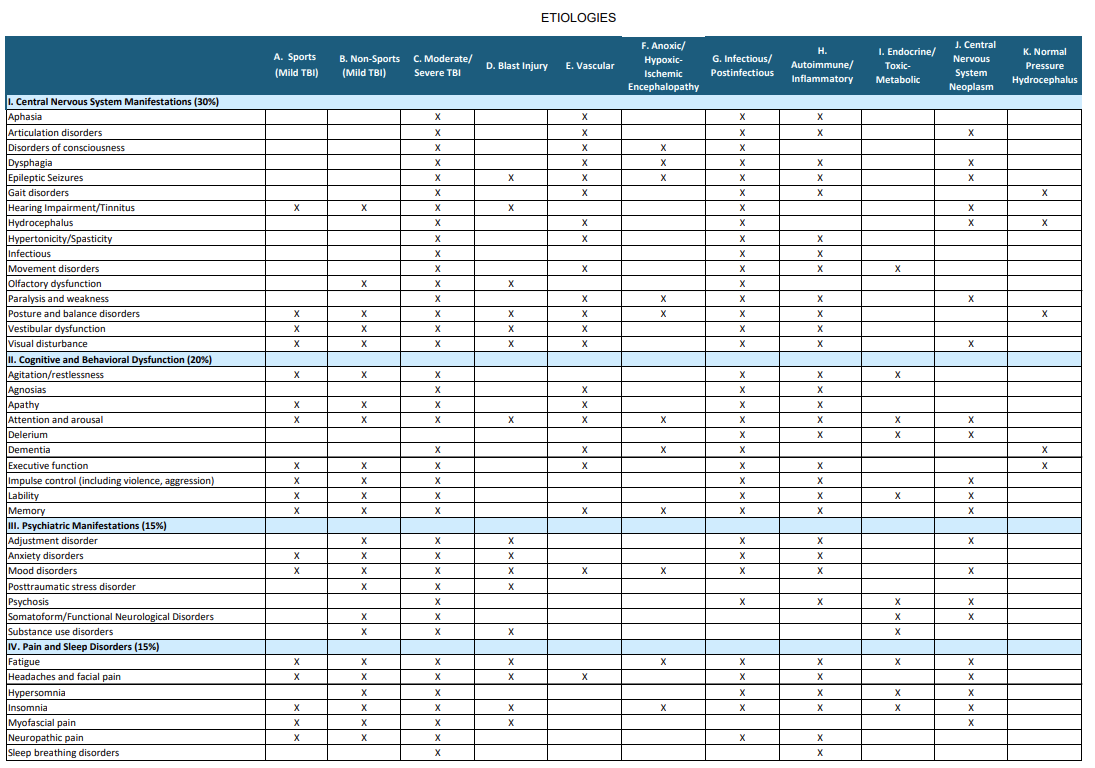
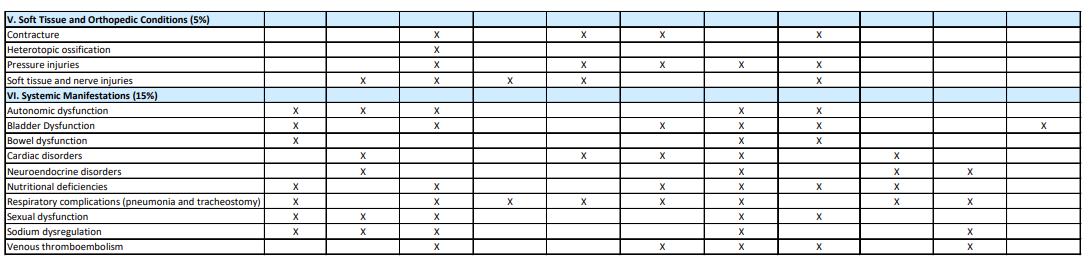
Note that the Xs on the chart represent the most common intersections that will appear on the examination. They are not intended to be the exclusive representation of content.
For more information visit our website.